
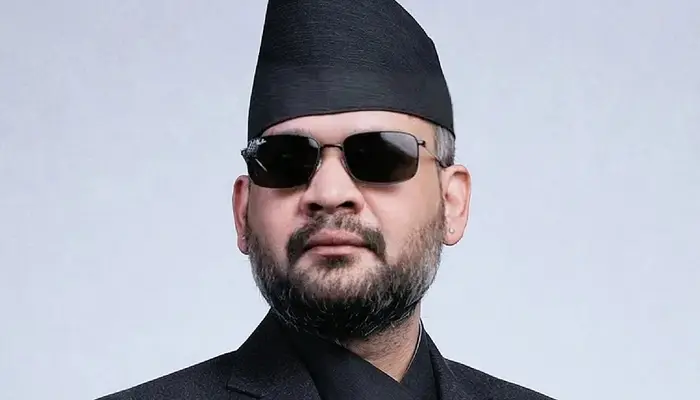
Public anger is rising in Nepal against the government led by Balen Shah, just weeks after it came to power with a strong majority.
Protests have spread across the capital Kathmandu and other cities. Demonstrators, including students, political groups and common citizens, have taken to the streets. Some protests have even reached Singha Durbar, the main administrative centre of the country.
One of the main reasons for the protests is the government’s decision to impose a customs duty on goods worth more than Rs 100 brought from India. People living near border areas say this rule is affecting their daily lives, as they depend on cross-border shopping for essential items. Protesters believe the policy is putting extra financial pressure on ordinary citizens.
Another major issue is the government’s handling of student unions. Many student leaders have accused the government of ignoring or sidelining them instead of holding discussions. This has led to large-scale protests by students across the country.
In many places, students have been seen protesting in their school uniforms, holding placards and raising slogans. This shows that the protests are not limited to political groups but are spreading among the general public.
The protests have also been fuelled by allegations against Home Minister Sudan Gurung. He is facing accusations related to his financial dealings and assets. Protesters and opposition groups are demanding his resignation over these claims.
With protests growing stronger, the government is now under pressure on multiple issues, including economic policies, student unrest and corruption allegations. What started as small protests has now turned into a larger political challenge for the government.
