
Coronavirus pandemic situation has not been something seen or heard before at least in the last 100 years. If you have grandparents they can narrate to you their stories of how they struggled to live during the Independence War and their stories can even make you feel how hard-hearted they became because of the trauma they had to go through during those times.
The traumatic experiences don’t vanish from our minds until and unless we work on them. Some do seek therapy whereas, live with their hard and harsh experiences forever making them quite tough people. The kind of pressures and challenges that life is throwing at us due to the coronavirus pandemic is unhealthy. A emotionally and mentally weak person may find it quite trauma and since this is a pandemic, we can say it has created mass emotional trauma to half of the population of a country that wakes up every day with the negativity around the country of deaths, new infections, economic slowdown, domestic violence and what not!
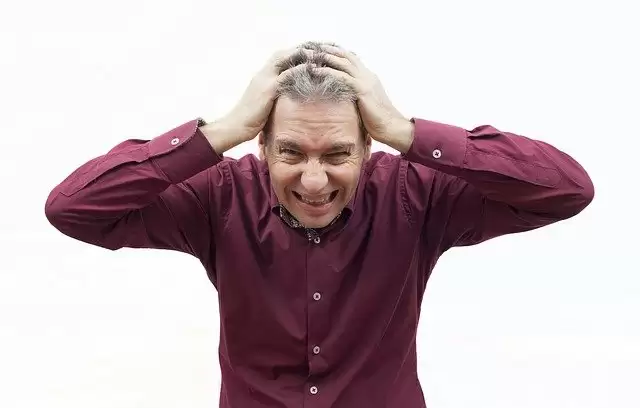
For many years to come, some people who do not know to cope up with the stress and anxiety that the coronavirus pandemic has created in their lives will suffer from a post-pandemic stress disorder, which is not yet a recognized mental health issue. The term post-pandemic stress disorder, which has been coined by psychotherapist Owen O’Kane shared with a leading news portal how the impact of the PPSD will explode after the pandemic is over.
PPSD is similar to the symptoms of post-pandemic stress disorder which include anxiety, lack of motivation, feeling helpless, disturbed sleep, changes in appetite, feeling numb, getting angry or irritated quite often, negative thinking, and withdrawing themselves from social situations.
Support groups, cognitive behavioral therapy, and following a fitness regime can help people overcome stress in a resilient manner and lead healthy and happy life.
