
Geneva: The World Health Organization said Monday that more scientists globally should investigate disease clusters to analyze what is driving infection and causing further spread, in light of China’s recent outbreak of novel coronavirus cases.
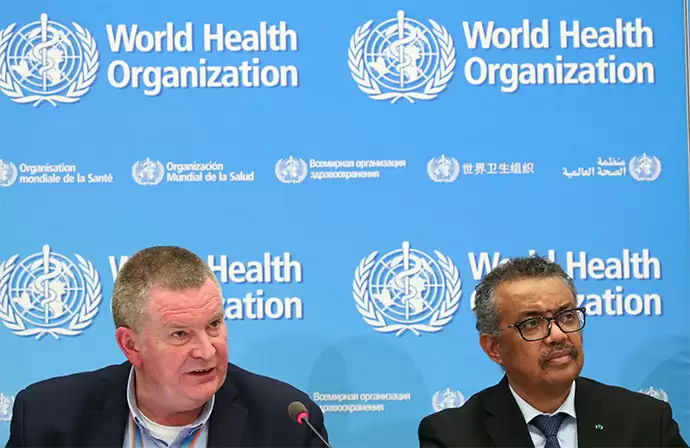
“The answers lie in careful, systematic, exhaustive investigation of disease clusters to really look at what is happening in these situations and what is causing the amplification of the disease in the human context,” said Dr. Mike Ryan, executive director of the WHO’s emergencies program, during a press conference at the agency’s Geneva headquarters.
“If we get that, we will build up a much better picture of the public health advice we need to give to our communities on what behaviors to avoid, what places to avoid, and what circumstances to avoid,” he said.
Officials in China’s capital city reported a total of 79 confirmed cases of Covid-19 since June 11, when the disease emerged from Xinfadi, the biggest wholesale food market in Asia. The market is a complex of warehouses and trading halls spanning an area the size of nearly 160 soccer pitches. It is also more than 20 times larger than the seafood market in Wuhan where the outbreak was first identified.
The WHO released a statement on Saturday that all confirmed cases are currently in isolation and under care. Contact tracing and genetic sequencing of samples are also underway to further understand the origin of the cluster and links between cases.
Ryan said it’s important to look for specific risk factors, situations, behaviors and contexts, in which transmission has been generated in clusters to prevent such outbreaks from happening.
