
Imagine checking your bank statement and noticing that your home loan EMI has increased. Or perhaps your bank suddenly starts offering higher fixed deposit (FD) returns. A few days later, you hear that the Reserve Bank of India (RBI) has announced a change in interest rates.
Have you ever wondered why a decision taken by the RBI affects your monthly EMI, loan costs, or savings returns?
The answer is simple: RBI’s interest rate decisions influence how much banks charge for loans and how much they pay on deposits. These decisions affect borrowers, savers, businesses, and the overall economy. Whether you have a home loan, a car loan, a fixed deposit, or a savings account, RBI policy changes can directly impact your finances.
Let’s understand how it all works.
What Is RBI and Why Does It Change Interest Rates?
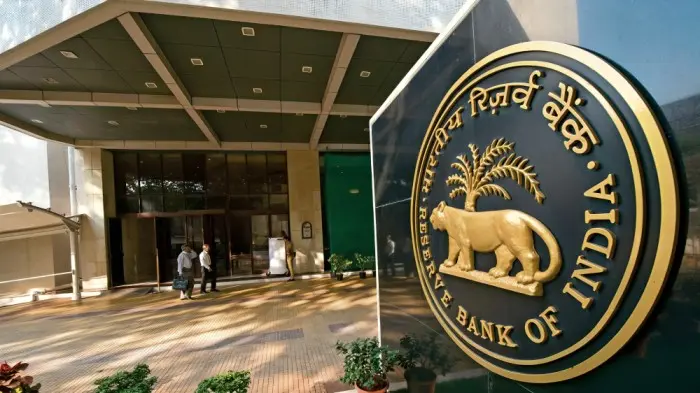
The Reserve Bank of India (RBI) is India’s central bank. It is responsible for maintaining financial stability, controlling inflation, regulating banks, and supporting economic growth.
One of RBI’s most important tools is the Repo Rate.
The repo rate is the interest rate at which commercial banks borrow money from the RBI. When RBI changes the repo rate, borrowing costs across the banking system are affected.
According to the RBI, repo rate adjustments are used to manage inflation while supporting economic growth and financial stability.
What Happens When RBI Increases Interest Rates?
When RBI raises the repo rate, borrowing becomes more expensive for banks. Banks often pass on these higher costs to customers.
As a result:
- Home loan interest rates may increase
- Car loans may become costlier
- Personal loans may become more expensive
- Business borrowing costs may rise
For example, if someone is paying a home loan EMI of ₹25,000 on a floating-rate loan, an increase in lending rates may lead to a higher EMI or a longer loan tenure.
Higher interest rates generally discourage borrowing and reduce spending in the economy.
What Happens When RBI Reduces Interest Rates?
When RBI cuts the repo rate, banks can borrow money at a lower cost.
This often leads to:
- Lower home loan rates
- Reduced EMIs on floating-rate loans
- Cheaper business loans
- Increased consumer spending
For example, a family planning to buy a home may find loan repayments more affordable after a rate cut, making home purchases easier.
Lower borrowing costs often encourage businesses to invest and consumers to spend, helping economic growth.
Impact on Home Loans and EMIs
For most households, home loans are the biggest financial commitment.
Floating-Rate Home Loans
Most modern home loans are linked to external benchmarks such as the RBI repo rate. When RBI changes rates, floating-rate loans are usually affected.
Banks may:
- Increase or decrease EMIs
- Extend or reduce loan tenure
- Adjust repayment schedules
Fixed-Rate Home Loans
Fixed-rate loans generally remain unchanged during the fixed-rate period, regardless of RBI rate movements.
However, the exact impact depends on the loan agreement with the lender.
Impact on Personal Loans and Car Loans
Interest rate changes also affect other forms of borrowing.
Personal Loans
Personal loans usually carry higher interest rates than home loans. When interest rates rise, borrowing becomes more expensive.
Car Loans
Higher lending rates can increase the cost of financing a vehicle, leading to larger EMIs.
Education Loans
Students and families taking education loans may also face higher borrowing costs when interest rates increase.
The extent of the impact depends on whether the loan has a fixed or floating interest rate.
Impact on Savings Accounts and Fixed Deposits
Interest rate changes don’t only affect borrowers. They also affect savers.
When Interest Rates Rise
Banks often increase FD rates to attract deposits.
Benefits may include:
- Higher fixed deposit returns
- Better returns for conservative investors
- Improved savings options
When Interest Rates Fall
Banks may lower deposit rates.
As a result:
- New FD investments may earn lower returns
- Savings account interest rates may decline
For example, a depositor earning 6% on an FD may receive a higher return if banks increase deposit rates after an RBI rate hike.
Why RBI Changes Interest Rates
The RBI mainly changes interest rates for two reasons.
- Inflation Control
Inflation means rising prices of goods and services.
If inflation becomes too high, RBI may increase interest rates to reduce borrowing and spending in the economy.
This helps control price increases.
- Economic Growth
If economic growth slows down, RBI may reduce interest rates.
Lower borrowing costs encourage spending, investment, and business expansion, which can support economic activity.
According to RBI’s monetary policy framework, maintaining price stability while supporting growth is one of its key objectives.
Simple Example: How One RBI Decision Affects an Average Family
Let’s consider a family with:
- A home loan
- A car loan
- A fixed deposit
Suppose RBI increases the repo rate.
The family’s home loan EMI may rise if the loan has a floating rate.
The car loan may also become more expensive.
At the same time, the family’s fixed deposit may start earning a higher interest rate when renewed.
So, one RBI decision can affect both borrowing costs and savings returns at the same time.
Key Takeaways
- Higher interest rates generally make loans more expensive.
- Lower interest rates usually make borrowing cheaper.
- Floating-rate home loans are often directly affected by repo rate changes.
- Higher interest rates may benefit savers through better FD returns.
- RBI uses interest rates to control inflation and support economic growth.
- RBI decisions affect households, businesses, borrowers, and investors across India.
FAQs
What is RBI repo rate?
The repo rate is the interest rate at which commercial banks borrow money from the Reserve Bank of India.
Does RBI repo rate affect home loan EMI?
Yes. Floating-rate home loans are often linked to benchmarks influenced by the RBI repo rate, which can affect EMIs or loan tenure.
Do FD rates increase when RBI raises rates?
Banks often increase fixed deposit rates after interest rate hikes, although the timing and extent may vary between banks.
Why does RBI change interest rates?
RBI changes interest rates mainly to control inflation and support economic growth.
How often does RBI review rates?
The RBI’s Monetary Policy Committee (MPC) typically meets every two months to review monetary policy and decide on repo rate changes.
