
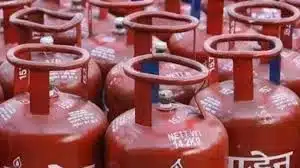
NEW DELHI – If you were planning to stock up on extra cooking gas this week, you might find your booking app blocking the request. In a sudden move to stop “panic hoarding,” the Indian government has officially increased the mandatory waiting period between two LPG refills to 25 days.
The new rule, which kicked in on March 9, 2026, is a direct response to the chaos at gas agencies. Ever since the Iran-Israel conflict escalated, rumors of a total fuel cutoff have sent families into a scramble to secure as many cylinders as possible, leading to long lines and reported black-market prices of up to Rs 1,500 in some districts.
Cracking Down on “Panic Bookings”
Government data showed a massive, unnatural spike in booking requests over the last 72 hours. According to PTI, oil marketing companies noticed that households that usually need a refill every 45 to 60 days were suddenly trying to book a new one just 10 days after their last delivery.
“We are seeing a 20% jump in demand that isn’t based on actual usage,” a senior official told The Times of India. “People are scared the war will stop imports, so they are trying to keep two or three spare cylinders at home. This creates an artificial shortage for everyone else.”
How the New System Works
The Ministry of Petroleum has now updated the software for Indane, HP, and Bharat Gas. Here is what you need to know:
The 25-Day Lock: Your consumer ID will now automatically block any booking made within 25 days of your last successful delivery.
OTP Verification: To prevent distributors from diverting gas to the black market, the Delivery Authentication Code (DAC) is now strictly mandatory. No OTP, no cylinder.
Priority for Homes: In cities like Mumbai and Bengaluru, commercial supply for hotels has been slightly restricted to ensure that domestic kitchens don’t run dry.
Is the Gas Really Running Out?
While the shipping routes through the Strait of Hormuz are indeed under pressure due to the war, the government insists there is no reason to worry yet.
As reported by Reuters, India has already started diverting its import orders to Australia, Canada, and the UAE to avoid the conflict zones. Furthermore, the Centre has invoked emergency powers to force local refineries to pivot their entire production toward LPG, prioritizing household fuel over industrial chemicals.
Union Minister Hardeep Singh Puri urged citizens to stay calm, noting that the country has enough reserves to last through the current volatility. Officials are advising consumers to stick to their normal usage patterns and avoid paying inflated “black market” rates, as the official price for a 14.2kg cylinder remains around Rs 913 in Delhi.
