
By Anurag Kumar
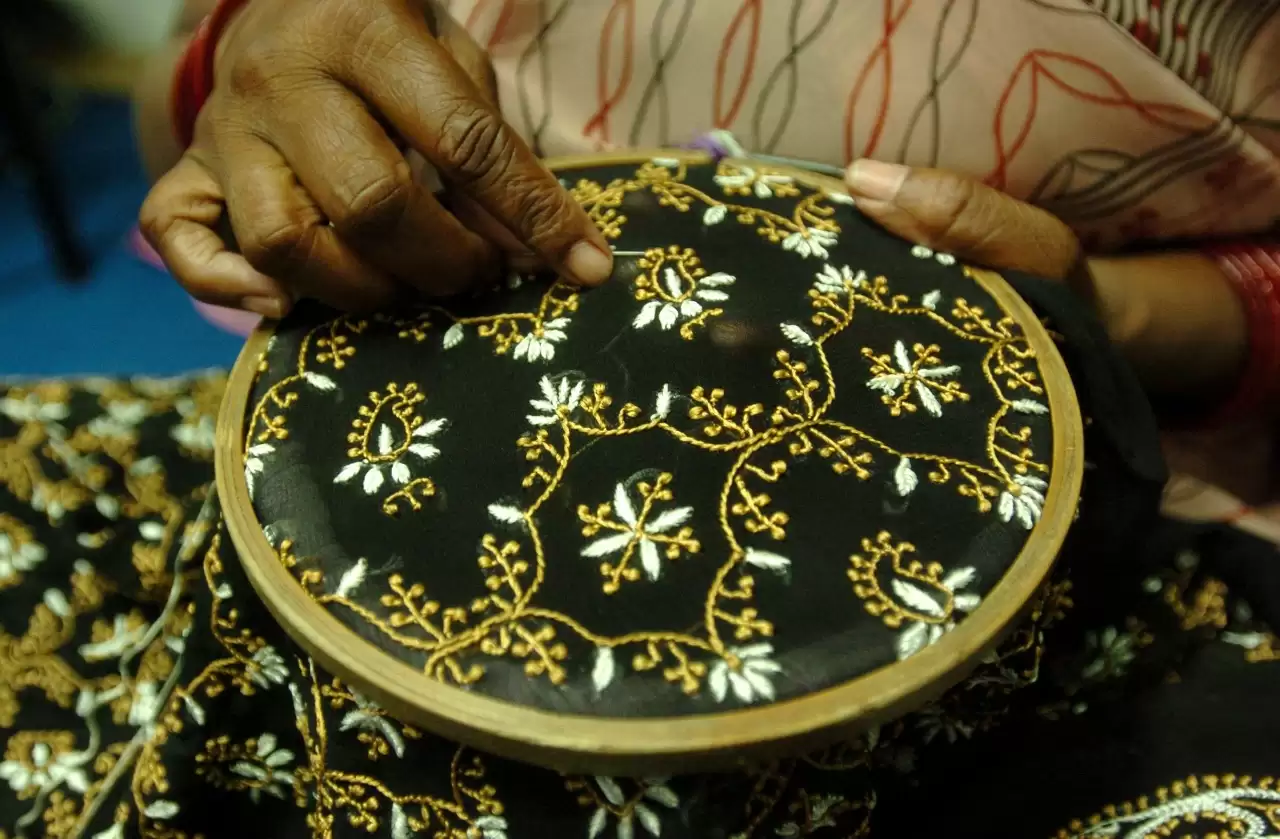
Chikan kari is an art peculiar to Lucknow and no one has been able to produce it successfully in any other city in the world. It was probably the only industry in Lucknow till about twenty years back when food industry gradually started taking over from Chikan. The word Chikan however has nothing to do with food but quite literally means ‘embroidery’. Perhaps Chikan embroidery was in existence in India since the seventeenth century when it was brought to the Mughal court by some Persian artisans and patronised by the Mughal empress Nur Jahan who also gave a big boost to Indian attars or perfumes which is another big industry in Lucknow but on the wane now. Chikan just like Kathak dance and Indian drama were in existence before the Nawabs but it is they who gave all three such patronage that all of these are associated exclusively with Lucknow. The Nawab who gave the biggest boost to all these art forms was Nawab Wajid Ali Shah.
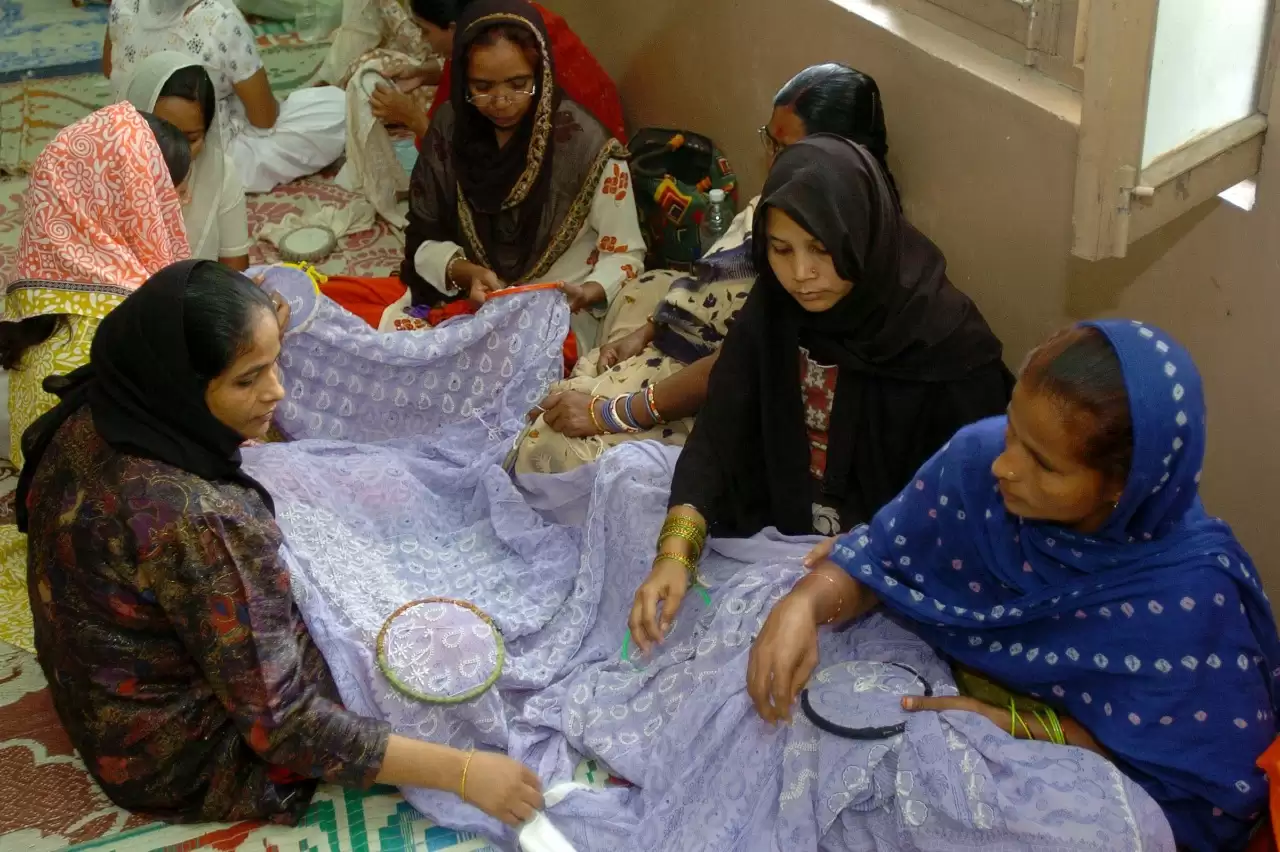
Orthodox Chikankari art was almost always done with white thread on white cloth generally pure cotton. Chikankari is not just the embroidery but ‘jaali’ work or network made of cotton thread in an artistic manner to fill spaces inside embroidered leaves etc. is an integral part of Chikan. The cotton cloth and the ‘jaali’ work have a very important significance often missed by non Lucknowi writers along with other things and that important and significant part is that the summers are particularly harsh in region around Lucknow and embroidered clothes provided even more ventilation because of ‘jaali’ work and the cloth was not just cotton but specially treated cotton. Traditional and orthodox method of making Chikan had a final step of bleaching rough and thick cotton cloth using traditional methods. This method is known only to traditional artisans who are found only in Lucknow. It is a very invasive, cumbersome, time taking and hard work. This type of washing cum bleaching is disappearing very fast because it is expensive and finding the artisans to do this work is tough.
Read also: Are the Nawabs of Lucknow still relevant?
The basic idea behind Chikan work is its muted beauty. The Nawabs greatly respected culture and anything loud and ill bread was not only not tolerated but actively discouraged and this extended to everything including food, dance, painting, music and architecture. Some people also believe that Chikankari patterns are inspired by stucco work made in Nawabi period or even vice versa. In recent times this muted nature of Chikan has caught the imagination of Bollywood and many designers in Mumbai are incorporating Chikan work in their designs and selling them at exorbitant prices while the local artisan’s plight has not improved at all.
Due to the enormous cost involved in producing authentic Chikan several small time traders have over the last three decades toned down a lot of things in traditional Chikankari like using artificial fibre fabrics instead of pure cotton, using prewashed or unwashed fabric though orthodox method of Chikankari involved a final bleach process on finished garment to make it softer. The ugliest innovation is use of plastic blended cloth ‘jaali’ in place of painstakingly made ‘jaali’ by Chikankari artists. In spite of these ugly ‘innovations’ the market for Chikan is shrinking day by day and only big designers in metro cities are able to make big money out of Chikan created by Lucknow based artisans.
Read also: Mega vaccination drive in Lucknow today targets 1L jabs
It reminds me that while shooting for the movie Umrao Jaan, Farukh Sheikh fell in love with Chikan and almost always wore Chikan thereafter. I did not quite believe it at first but when I met him on two occasions I found him wearing very beautiful embroidered kurtas which were in all likelihood custom made for him because they were very beautifully crafted. What Lucknow needs today is brand ambassadors like Farrukh Sheikh to boost the industry otherwise the way traditional Chikankari is dying it will not be long before Chikan garments will be limited to display windows in museums.
