
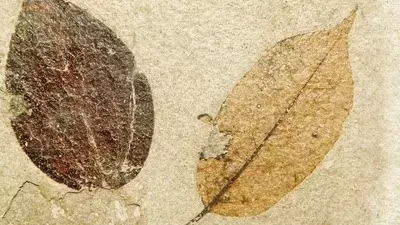
Scientists have just dug up a 24-million-year-old leaf fossil in Assam’s Makum Coalfield, and no, it’s not just another dried-up leaf. This one’s got secrets to spill — like ancient gossip from India’s deep past!
Turns out, this fossil leaf looks just like a modern Nothopegia plant, which today grows only in the Western Ghats — nowhere near Assam. So how did it get there?
Let’s just say: plants were way more well-traveled than we thought.
Back in the late Oligocene period (fancy word for “a looong time ago”), northeast India was warm and humid — perfect for tropical plants. Basically, Assam was giving major Goa vibes.
Then the Himalayas crashed the party, literally. Tectonic plates did their thing, mountains rose, and the region got colder and drier. Nothopegia packed its leafy bags and said, “Bye Assam, hello Western Ghats.”
Researchers from BSIP Lucknow used CLAMP (nope, not a new TikTok dance, it’s a climate tool) to figure out just how tropical Assam used to be.
The study even made it into a science journal with a long name — because of course it did.
