
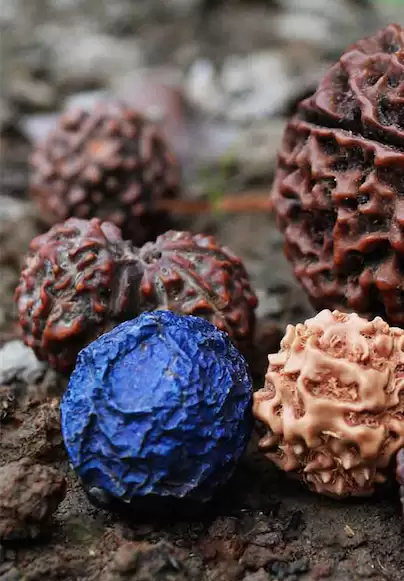

Rudrakshas are a type of seeds of particular plants. They originated in the Himalayan region and are now distributed around the world, including Nepal and the Western Ghats. Elaeocarpus Ganitrus is the most common plant that produces rudrakshas. Rudrakshas are also known as Lord Shiva’s tears in Hindu mythology, and they have significance in Hindu cultures and rituals.
Yoga originated in India. The ancient yogic technique is based on a mental discipline that has been practised for thousands of years. Another important historical source is the Vedas. The identity of the original authors of the Vedas is still a mystery.
Read also- Tips To Connect With Your Spiritual Self
Vedas are thought to be about 12,000 years old. The use of rudrakshas as a therapeutic mechanism is promoted and mentioned in both the Vedas and the yogic system. Rudrakshas are supposed to treat emotional and mental well-being and are steeped in mysticism.
What Are The Significance of Rudraksha?
Rudraksha is worn by spiritual followers, yogis, and people who want to make a fashion statement. Rudraksha is an apricot-shaped seed with tiny coloured seeds. Wearing a rudraksha mala (Garland) is popular in the Western world. The mala is said to shield humanity from negative energy, and the chakras within it are said to balance the negativity from previous karma.
The Rudraksha mala is made up of 108 beads or 111 beads plus one extra bead. What kind of mala should be worn depends on the source and belief. The 111 bead Rudrakshas rule the Kalyuga period, which is currently in progress.
Read also-
RSS chief calls on Tibetan spiritual leader Dalai Lama
Rudrakshas are commonly used in meditation and prayer. To pray with a rudraksha, the user sits quietly and touches the beads one by one with their thumb until the circle is complete. This is referred to as japamala. Japamala is said to have a direct relationship with the Lord.
Organic elements are also used to make Rudrakshas. Rudrakshas are made up of a variety of materials, including valuable stones, bones, pearls, wood, and lava. The therapeutic properties of the Rudraksha’s organic components enhance the Rudraksha’s benefits. Organic rudrakshas are quite popular among Yogis and Shiva worshippers.
