
Squats, whether performed with only bodyweight or with weight added, are a typical element to many workout programmes. Extending your squat repertoire gives you more alternatives as well as physical advantages.
Read also- Exercise key to keep muscles healthy, stay young
What is Half Squat?
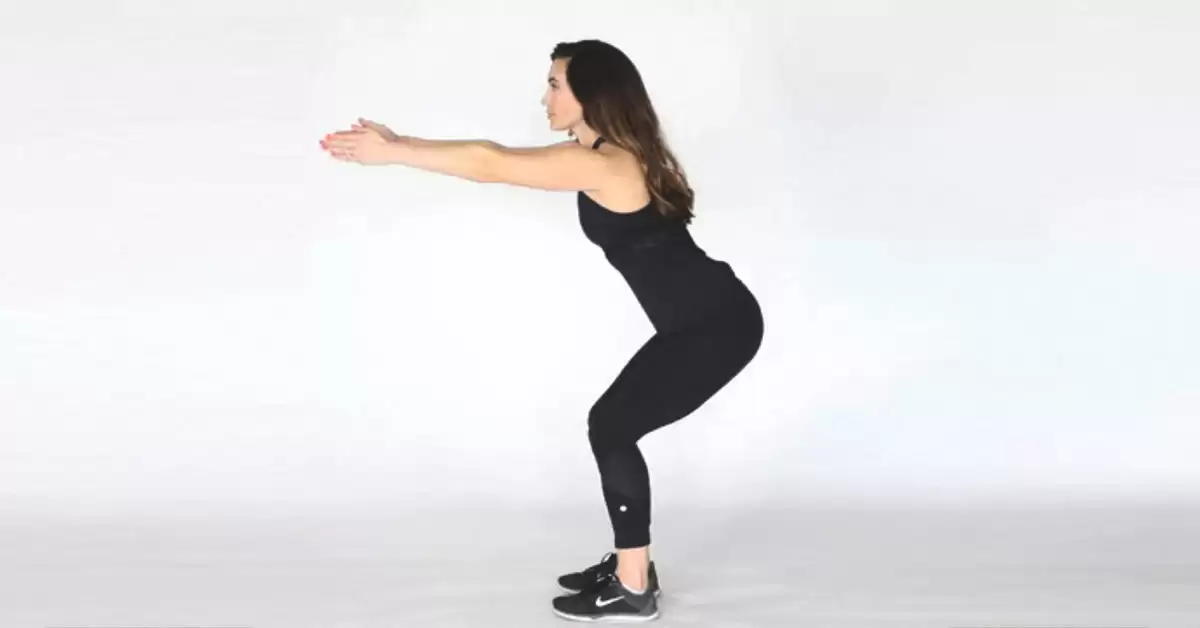
Half squats are a squat variation that you might wish to include in your routine. Squats are performed by lowering your body until your thighs are parallel to the floor. Half squats have a genuine place in any strength training programme, despite their name suggesting a weaker exercise.
No matter how deep your natural squat is, half squats are a terrific option for everyone. Furthermore, your squat depth is mostly determined by your anatomy, which is beyond your control. Other aspects come into play as well, such as mobility and range of motion, which are areas you may concentrate on to increase the depth of your squat if desired.
How to perform half squats
If you’re trying to break through a strength plateau or improve your mobility and range of motion, half squats are a great way to go. Follow the steps to do half squat:
Read also- Why exercise gets harder the less you do it
- Place your feet shoulder-width apart and pointed forward with a small outward slant (about 5 to 7 degrees for most people during a bodyweight squat, a bit more for a barbell squat).
- Form an arch in your foot by pressing down with your heel, the base of your first toe, and the base of your fifth toe to form a tripod, which will give stability and even weight distribution.
- Bring your chest forward as you drive your hips back into a hip hinge, activating your glutes and hamstrings.
- To develop tension and external rotation in your hips, squeeze your glutes and force your knees out. You should feel your outer hips engage, which will help you maintain proper form and protect your knees and back as you descend deeper into the squat. Maintain the arch of your feet by keeping all three points of contact with the ground.
- Maintain a neutral, upright posture for your neck and torso. Look ahead and downward at a modest angle.
- Descend to the desired position, either parallel or just above, while remaining balanced and evenly distributing your weight in your feet. Your shins should be as upright as possible when doing a half squat.
- As you return to standing, drive your hips up and back, pushing your shins into vertical.
