
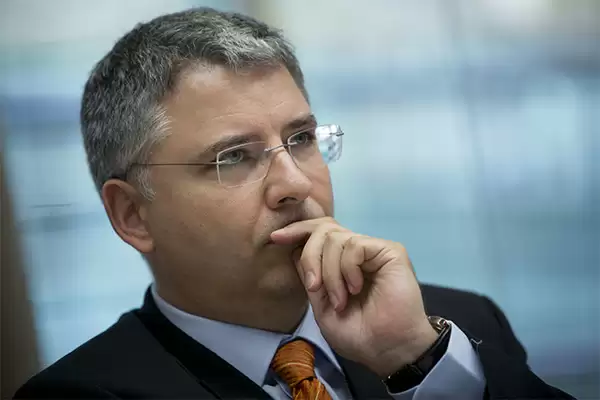

People who have recovered from Covid-19 are “very likely” to be immune to the virus, according to the CEO of Swiss pharmaceutical giant Roche.
CEO Severin Schwan told on Monday he believes those who had already had the coronavirus would now be immune to the illness — but he pointed out that more research was required.
“We know from other coronaviruses that it’s very likely as soon as you have gone through an infection you will also acquire immunity,” he said. “But this still, nevertheless, has to be proven over time. We need studies to really see whether those people who have been infected once are subject to reinfection. But there’s a high likelihood that this will be the case.”
Schwan’s take on immunity to Covid-19 came after South Korean scientists concluded it was impossible for the virus to reinfect humans.
There had been concern that people were appearing to fall ill with the coronavirus a second time in Japan, China and South Korea — but researchers from the South Korean Centers for Disease Control and Prevention said last week that this phenomenon had resulted from testing failures.
However, the WHO said in late April that there was not enough evidence on reinfection to justify the issuance of so-called “immunity passports,” which would allow those who had already had the virus to return to normal life.
