
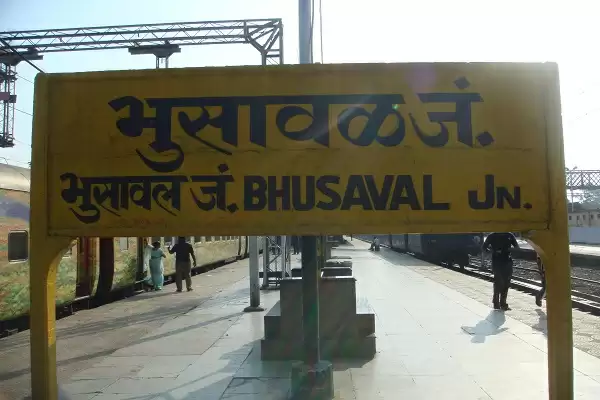
Bhusawal, which is also called Bhusaval is a city and a municipal council located in Maharashtra’s Jalgaon district. The city is said to be the largest Taluka in the Jalgaon district. It has been divided into 47 wards and the area included under the city is 13.38 sq. km. The city of Bhusawal is located on the banks of the Tapi river, which is also called the Tapti river.
Aamir Khan expresses film industry joy as Maharashtra cinemas reopen
You will be surprised to know that the Tapi river is one of the main rivers on the Indian peninsula and has its origin in the Betul district. The Tapi River along with Narmada and Mahi rivers flow from the east to the west. Bhusawal that has been situated in the North-west area of Maharashtra state has many mountain ranges and different types of climatic conditions. The city has dry and hot weather for most of the months of the year.
Most US congressional districts see growth in goods exports to China in 2020: USCBC
You will be astonished to know that the temperature goes up to 46 to 49 degrees in the summer, which is the highest in the country. Bhusawal is regarded for the cultivation of bananas. The city has become the main exporter of bananas at both internal and external levels. The Jalgaon district area has over 40% of Maharashtra’s banana cultivation. Bhusawal is also remembered for its special white brinjals which people over there grow at a local level.
The important industrial facilities of Bhusawal include Bhusawal Thermal Power Station, Ordnance Factory Bhusawal, Ordnance Factory Varangaon, Orient Cement Grinding Unit, Indian Oil Corporation Limited Depot, Railway’s Zonal Training School, and Electric Locomotive Workshop in Bhusawal.
As per the 2011 census, the number of people living in Bhusawal comes to around 1.8 lakhs. It is quite a literate city with 88% of the people have completed their education. The religion most followed by people in Bhusawal is Hinduism with 64%, followed by Muslims (24%) and Buddhism (8%).
