
COVID-19 is generally well-protected against major illness and death in most persons who are completely vaccinated against the coronavirus. Even highly efficient vaccinations, however, might lose their effectiveness with time. Early research on coronavirus vaccines that utilise mRNA to protect you, such as those from Pfizer and Moderna, suggests that they ultimately lose part of their effectiveness against infection and serious disease, regardless of the virus variety (like Alpha, Beta, or Delta). A “booster shot,” which is given several months after the initial round, can significantly improve the vaccine’s efficacy. Boosters are a form of vaccination, and scientists already know that immunizations provide the greatest defence against COVID-19’s most harmful consequences.
- Antibodies from immunizations, on average, diminish with time, according to research.
- MRNA coronavirus vaccination booster injections (Pfizer and Moderna) boost antibodies by around tenfold.
- Boosters might provide you an extra layer of defence against the Omicron variety.
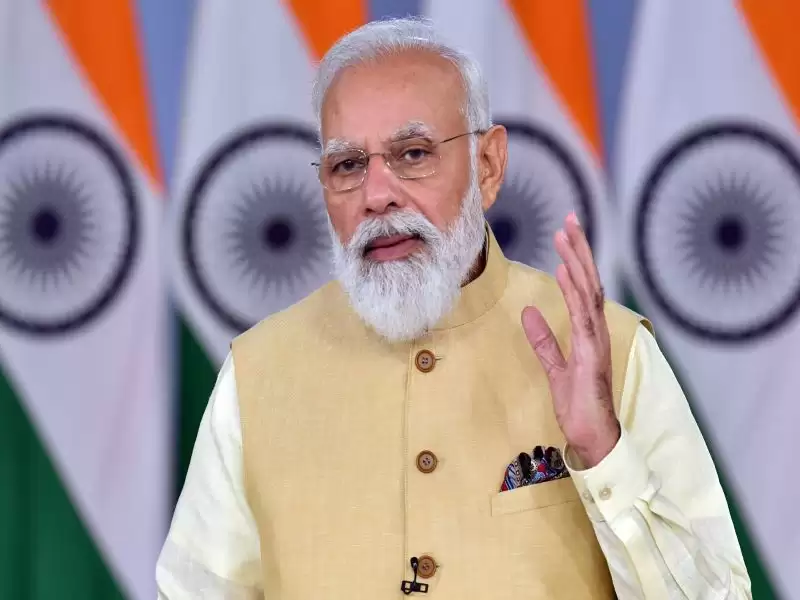
From January 10, frontline workers, those with comorbidities, and those over 60 years old would be eligible for a booster dose of the Covid-19 vaccine, according to Prime Minister Narendra Modi. He also stated that vaccinations for youngsters aged 15 to 18 years old will begin on January 3rd. The decision was made in conjunction with scientific experts, the Prime Minister stated in his Saturday night address to the country. The decision comes as demand for booster doses rises amid worries of a new outbreak fueled by emerging coronavirus varieties like Omicron.
Read also: Myanmar reports 176 new Covid-19 cases, 3 more deaths
Several studies, including those conducted by Indian government experts, have found that vaccination protection wears off after a few months and that coronavirus subtypes like Delta and Omicron impair vaccine efficiency. Meanwhile, there were allegations that healthcare personnel had begun secretly taking booster doses of the vaccination due to worries about the new Omicron variety spreading. Officials from the Indian health ministry, on the other hand, have claimed week after week at health ministry briefings that India will focus on vaccinating the whole population with two doses before introducing booster doses. As worries of another pandemic wave sparked by the Omicron variety rose, Modi stated the government has 1.8 million isolation beds, 500,000 oxygen-supported beds, and 400,000 oxygen tanks, among other hospital-related resources.
India has seen a rapid increase in Omicron infections, with a total of 415 cases recorded across 17 Indian states. The Indian leader emphasised that the epidemic was far from ended, and that measures should be taken, including as wearing face masks and washing hands, as well as following COVID-19 guidelines. Modi’s administration has given at least one COVID-19 vaccination shot to 88 percent of the 944 million people who are eligible, with 61 percent receiving both doses. While millions of people are still waiting for second doses, officials are also distributing booster shots to healthcare and front-line workers who were hit by a second wave of the virus last summer, which killed tens of thousands.
To avoid another probable outbreak of new illnesses, medical experts say India has to ramp up its immunisation effort and extend coverage, particularly in the vast hinterlands where healthcare services are few. The federal government has pushed governments to set restrictions on overcrowding until the new year, and a few states have largely prohibited public gatherings. The number of daily COVID-19 cases in the 1.3 billion-strong country has dropped by nearly half compared to a month earlier.
Read also: Third dose of Sinovac vax insufficient against omicron: Study
Subramanian Swamy, a BJP Rajya Sabha MP, has hinted at the delay of the 2022 Uttar Pradesh assembly elections, which are set to take place in February. He also speculated that the Modi administration would implement President’s Rule in the state. The Uttar Pradesh assembly elections in 2022, according to Subramanian Swamy, might be postponed until September of the following year. “Don’t be surprised by a lockdown for Omicron and a postponement of UP elections to September under President Rule in UP,” Swamy wrote in a tweet on Friday. What couldn’t be done directly this year will be done indirectly early next year.”
Swamy’s forecast comes as an Allahabad High Court judge has asked Prime Minister Narendra Modi to consider postponing the elections next year. Justice Shekhar Yadav’s single-judge panel also called for an immediate ban on political parties holding rallies and gatherings “to protect the people from the third wave of COVID-19.”
Read also: J&K assembly elections likely before 2022 Amarnath Yatra
“The ECI should take rigorous measures to prevent political parties from holding election gatherings and rallies. Consider delaying the election as well, because the world is only significant if there is life “According to the Court. According to reports, the Court emphasised the devastation caused by the second wave of COVID-19, notably during panchayat elections in Uttar Pradesh and Assembly elections in West Bengal, stating it had infected a large number of individuals and resulted in a large number of deaths.
