
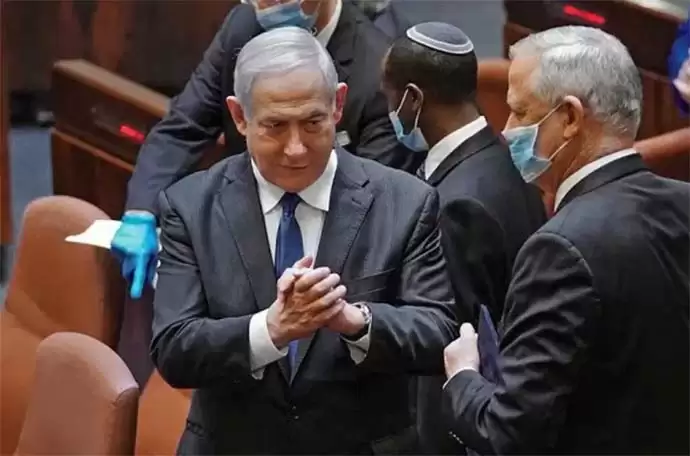
Netanyahu has been charged with fraud, breach of trust and accepting bribes in a series of cases. He is accused of accepting expensive gifts, such as cartons of champagne and cigars, from wealthy friends and offering favours to media moguls in exchange for favourable news coverage of him and his family.
In the most serious case, he is accused of promoting legislation that delivered hundreds of millions of dollars of profits to the owner of a major telecom company while wielding behind-the-scenes editorial influence over the firm’s popular news website.
Netanyahu, who heads the right-wing Likud party, has cast his prosecution as a left-wing witch-hunt meant to overthrow a popular right-wing leader.
As prime minister, Netanyahu is under no legal obligation to resign and he has said his court battle will not affect his ability to do his job.
A three-judge panel, which will hear the prime minister’s case, turned down on Wednesday his request to stay away from the opening session.
In asking to be excused, Netanyahu called the event a formality and argued that bringing his contingent of bodyguards would waste public funds and make it hard to comply with social distancing rules.
Some critics said Netanyahu was trying to avoid the optics of a prime minister sitting in the defendant’s dock. Turning down his request, the court said it was important for justice to be seen to be done.
After three bruising elections over the past year, Netanyahu was sworn into office this week for a fourth consecutive term.
All three elections were seen as referendums on his fitness for office, and all ended in deadlock. After the most recent vote in March, his rival, Benny Gantz, appeared to have mustered enough support in parliament to pass legislation that would have disqualified Netanyahu from serving as prime minister while under indictment.
