
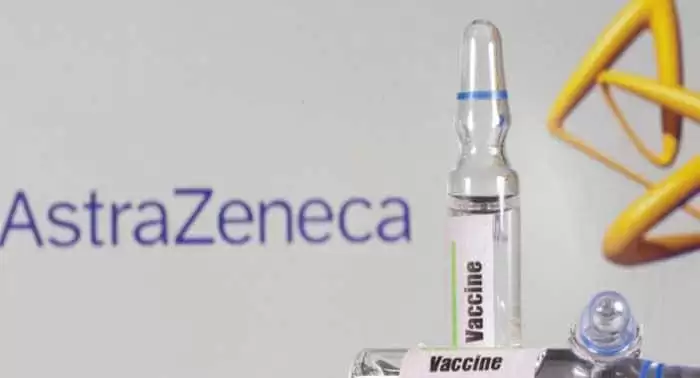
Rio De Janeiro: A Brazilian volunteer who participated in the trials of COVID-19 vaccine, developed by the University of Oxford and the AstraZeneca laboratory, has died, National Health Surveillance Agency of Brazil (Anvisa) reported.
The agency further said that the cause of death was not disclosed “for reasons of ethics and confidentiality.”
“In relation to the death of the Oxford vaccine test volunteer, Anvisa was formally informed of this fact on October 19, 2020,” the watchdog said in a statement published by the G1 portal.
Anvisa’s statement did not provide information on whether the volunteer had received a placebo or the active drug.
AstraZeneca told the G1 that it did not yet have an official position on the death of the volunteer and did not comment on this information.
Meanwhile, the international vaccine trials safety evaluation committee has recommended continuing trials, Anvisa reported.
According to Brazilian newspaper O Globo, the volunteer was in a control group that did not receive the experimental vaccine and died of covid-19. The news service G1 said the volunteer was a 28-year-old physician who treated coronavirus patients in Rio de Janeiro.
Under the trial’s protocol, half the participants receive the experimental vaccine, and half receive an established meningitis vaccine that has been proved safe. The trial, like others, is overseen by an independent board that reviews all adverse events. Any severe event that might have been caused by the vaccine would trigger a pause in the study for an investigation. The trial is not paused due to the death.
A spokesman for AstraZeneca said he could not comment on individual cases in an ongoing trial, citing confidentiality requirements and clinical trial rules. But he said there were no concerns that would lead the study to pause.
“We can confirm that all required review processes have been followed,” spokesman Brendan McEvoy said. “All significant medical events are carefully assessed by trial investigators, an independent safety monitoring committee and the regulatory authorities. These assessments have not led to any concerns about continuation of the ongoing study.”
