
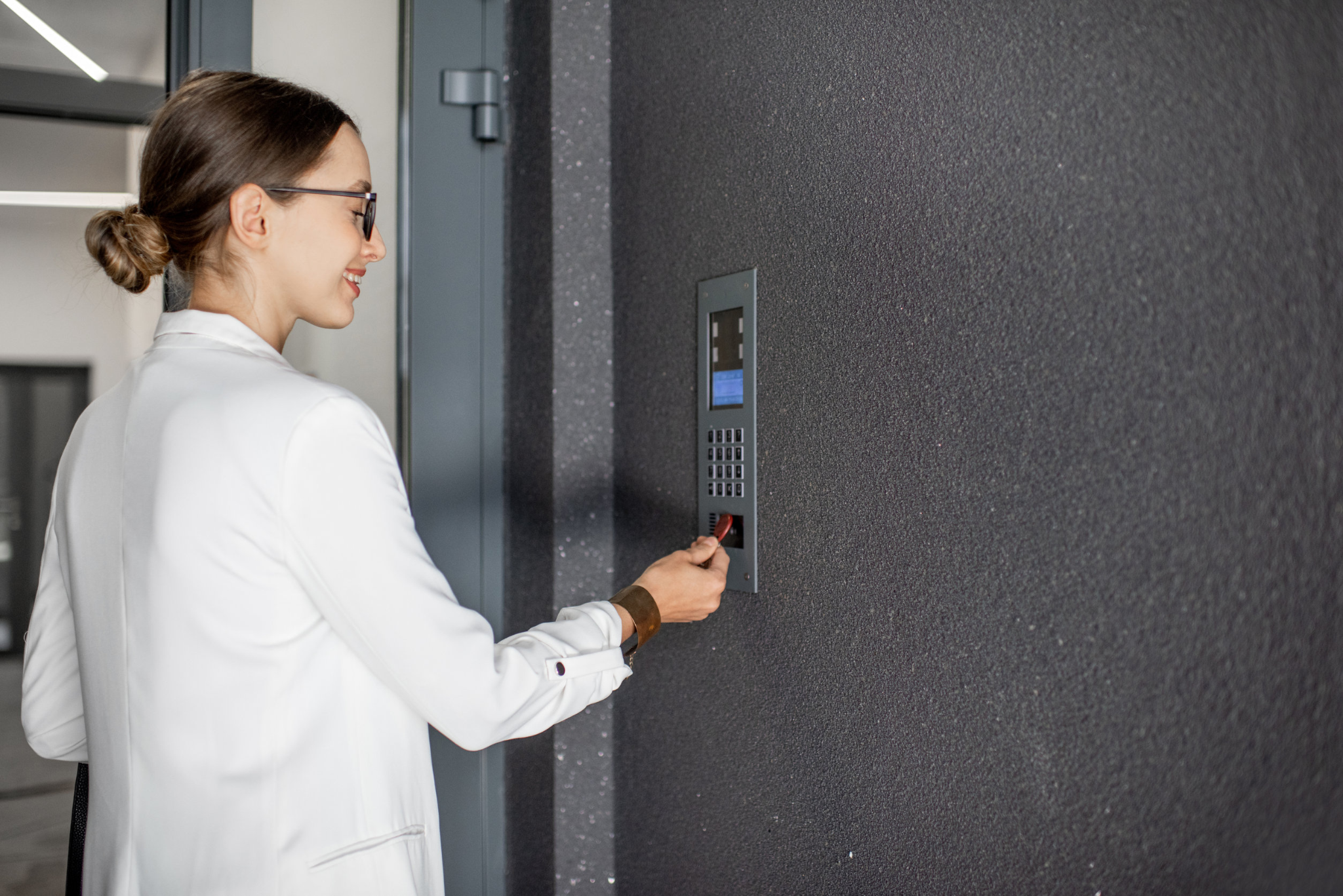
Managing access to workplaces and facilities requires planning and organised systems. Modern workplaces host a mix of employees, contractors, vendors, and visitors, often across multiple departments and restricted zones. Traditional lock-and-key methods cannot keep pace with this level of activity. An access control system offers a structured, technology-driven solution that regulates entry and exit while maintaining a clear record of movement. Leading providers offer commercial security solutions engineered to meet these evolving operational demands.
What is an Access Control System?
An access control system is a security solution that manages who can enter or exit a building or specific area. It ensures only authorised individuals gain access to designated zones. Its common components include:
- Access controllers
- Credential readers (cards, biometrics or PIN)
- Electronic locks or barriers
- Centralised management software
Many modern systems also integrate with attendance-monitoring tools, giving organisations greater visibility into their operations.
Why are Traditional Security Methods No Longer Enough?
The limits of traditional security methods become clear in modern facilities. Conventional systems often lack the scalability, efficiency, and traceability needed for effective protection. Physical keys, for instance, create ongoing risks as they can be lost, duplicated, or misused, with no way to track their use. As organisations grow, managing security manually across multiple departments and restricted areas becomes difficult. Without digital entry records, it is also harder to track employee or visitor movement during investigations or compliance checks.
Key Benefits of Access Management Systems for Businesses
Implementing advanced digital access management solutions is essential to ensure security, improve operational efficiency, and maintain compliance in modern business environments.
- Controlled and Authorised Entry: Only approved personnel can access specific areas. This is particularly important for sensitive zones such as server rooms, financial departments, or research facilities.
- Real-Time Monitoring and Reporting: Administrators can monitor access activity in real time. Reports on entry and exit patterns support both daily management and long-term security planning.
- Improved Workplace Safety: By limiting access to authorised individuals, businesses reduce the risk of unauthorised intrusions. This helps protect employees, physical assets, and confidential data.
- Efficient Employee Management: Integration with attendance systems allows organisations to track working hours and movement across the premises, reducing administrative effort and improving accuracy.
- Scalability for Growing Organisations: As businesses expand, new users and access levels can be added through a centralised platform. The system grows alongside the organisation without requiring a complete overhaul.
By integrating advanced systems like these, businesses can ensure safety, streamline operations, and effectively adapt to future growth.
How Access Control Systems Improve Business Operations?
Modern access control platforms play a key role in enhancing security, ensuring compliance, and streamlining operations within business environments.
- Automated Access Management: Administrators can assign and adjust access permissions through a single software dashboard, defining roles and access levels without manual intervention.
- Flexible Time-Based Permissions: Access rights can be configured based on time, shift schedules, or department. This is useful for businesses operating across multiple shifts or with rotating staff.
- Reduced Dependence on Physical Security: Automation reduces the need for manual guards at every entry point, allowing security personnel to focus on higher-priority tasks.
- Data Insights for Security Planning: Access logs serve as a reliable record for auditing and incident investigation. This data helps organisations identify vulnerabilities and improve their security approach over time.
By integrating these solutions, businesses can create a safer, more efficient, and compliance-ready working environment.
Industries That Benefit Most from Access Control Systems
Access control is relevant across a wide range of sectors:
- Corporate offices: Restrict access by department or seniority level
- Manufacturing facilities: Control entry into hazardous or operationally sensitive zones
- Healthcare facilities: Limit access to medical storage, laboratories, or patient areas
- Hospitality and commercial buildings: Manage guest and staff movement across the property
- Educational institutions: Secure administrative areas and control campus entry points
Key Features to Look for in a Modern Access Control System
When evaluating a modern access management system, it is crucial to consider features that ensure both robust security and operational flexibility. Key technical and functional attributes to look for include:
- User and Device Management: A reliable system must provide a centralised software dashboard for administrators to efficiently manage users, devices, and access permissions.
- Integration Capabilities: Leading companies like Godrej Enterprises Group design security access systems that integrate with CCTV surveillance systems, alarm systems, and building management platforms to create a unified security framework.
- Real-Time Monitoring: The ability to monitor access activity in real time is essential, enabling administrators to respond immediately to any security irregularities or unauthorised access attempts.
- Customisable Settings: The system must support configurable parameters, including time zones, public holidays, and user-specific access policies, to align with the organisation’s operational structure and requirements.
These features collectively contribute to a system that is not only secure but also adaptable to your organisation’s specific needs.
Role of Access Control in a Comprehensive Security Strategy
An access control system works best as part of a layered security approach. When combined with CCTV surveillance systems, perimeter security, and alarm systems, it significantly strengthens an organisation’s overall security posture. It also supports compliance with internal safety policies and regulatory requirements, giving decision-makers a reliable framework to work within.
Conclusion
Modern businesses face security challenges that require organised, technology-based solutions. An access control system helps regulate entry points, protect sensitive areas, and keep a clear record of movement within the premises. By combining controlled access, real-time monitoring, and flexible administration, organisations can strengthen security while improving operational efficiency. Reliable solutions from trusted providers show how technology-driven access management solutions support safety at scale. As workplaces become more complex, implementing a structured digital access solution helps create a more secure and well-managed environment.
