
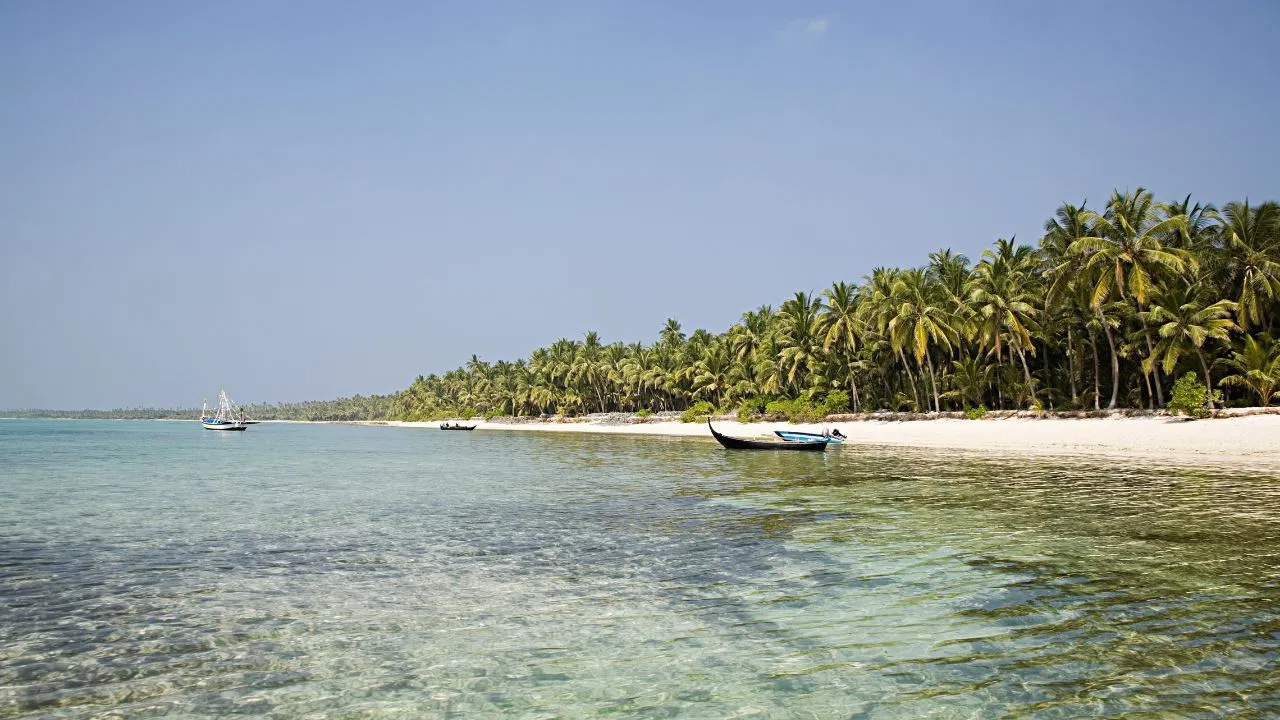
In a major policy shift, the Union Territory of Lakshadweep is set to allow the regulated sale of alcohol for the first time in 47 years. The Union government has repealed the Lakshadweep Prohibition Regulation, 1979, ending a long-standing ban on liquor sales across the islands.
The decision was notified through a Gazette notification issued on June 5. The new Lakshadweep Excise Regulation 2026 will replace the old prohibition law and introduce a licensing system for the manufacture, import, export, transport, sale, purchase and consumption of alcohol.
Under the new rules, licensed outlets will be allowed to sell liquor, while government-owned agencies can also obtain licences to import and retail alcoholic beverages.
However, alcohol will remain heavily taxed. The government has imposed a 400% excise duty on Indian Made Foreign Liquor (IMFL) and imported liquor, 200% on beer and 80% on wine.
The regulation does not allow unrestricted alcohol sales. The administration will continue to regulate consumption, fix purchase limits and can even impose prohibition in specific areas if required. The sale of liquor to people below 21 years of age will remain banned.
Lakshadweep, which consists of 36 islands, has a predominantly Muslim population, with Muslims making up around 97% of its residents. Alcohol prohibition was introduced in 1979, largely due to cultural and religious considerations, as alcohol consumption is prohibited in Islam.
Although the ban existed for decades, alcohol was available under limited exceptions at certain tourist resorts and government-run bars on islands such as Kavaratti and Bangaram.
The biggest reason behind the policy change appears to be the government’s push to develop Lakshadweep as a major tourism destination. Officials have argued that restrictions on alcohol placed the islands at a disadvantage compared to competing tourist destinations such as the Maldives, where liquor is available in designated tourist zones.
Tourism in Lakshadweep has grown rapidly in recent years. According to official data, tourist arrivals increased significantly between 2020 and 2024, with the sharpest rise coming after Prime Minister Narendra Modi visited the islands in January 2024 and promoted them as a travel destination.
Efforts to ease alcohol restrictions began gaining momentum in 2020 and continued through various policy proposals over the following years. While some local groups and political parties opposed the move, citing social and cultural concerns, the administration continued working towards a regulated alcohol policy.
With the repeal of the 1979 law, the government hopes the new regulated system will support tourism growth while maintaining strict controls on alcohol sales and consumption.
