
Reiki is the catalyst for change!
Reiki is a gift that heals your body and mind. It’s an ancient healing practice practised by experts to overcome the consequent problems in common lives.
Read also- Are you planning a baby? Increase the chance of fertility by using these magical tips
It is, however, much more than natural healing. It’s a comprehensive system for bolstering, enhancing, and adjusting all aspects of a character’s appearance—body, soul, emotions, and endurance—while also stimulating code, advanced knowledge, and accomplishment.
Universal Life-force Energy, God-directed Life-force Energy, or Spiritual Energy are all terms used to describe the Japanese word ‘Reiki,’ which is pronounced Ray-Key. Many people are increasingly interested in learning Reiki healing courses to help others and cure their diseases because the name Reiki may be used to designate any form of treatment that uses holy energy in Japan. On the Westside, we commonly refer to Reiki as a sort of healing practises practised by a Japanese Buddhist priest.
Treatment for Illness
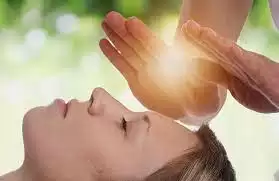
A learner can apply Reiki on oneself or others after completing the Reiki healing course. Reiki healing is a simple procedure in which the individual receiving the treatment lies down on a massage table or sits in a chair.
You can be completely clothed throughout a reiki therapy session, but gently push your fingertips with the flat of your palm—no need for massage therapy.
Aspects of the Problem
Your body has the ability to heal itself. Assume a virus, such as the common cold, infiltrates it. In that situation, your immune system will be called into action. Cold symptoms like a fever and a runny nose are the result of your body combating the illness rather than the virus itself.
Read also- Foods to help induce labor naturally
Let’s start with some typical misunderstandings about dichotomy. Many people use the terms “improvement” and “preservation” interchangeably, but they don’t necessarily mean the same thing.
1. Natural healing: This could involve eradicating an ailment or merely restricting or easing symptoms for a period of time.
2. Nervous system healing: This may help you overcome your worries and accept the consequences of your sickness.
3. Mental-emotional healing: This may allow you to think about your illness differently, possibly bringing to your attention the lessons your condition teaches you and promoting comprehension of the concerns.
4. Religious healing: This may assist you to develop a more moderate and generous relationship with oneself, or perhaps make a peaceful transition into death.
