
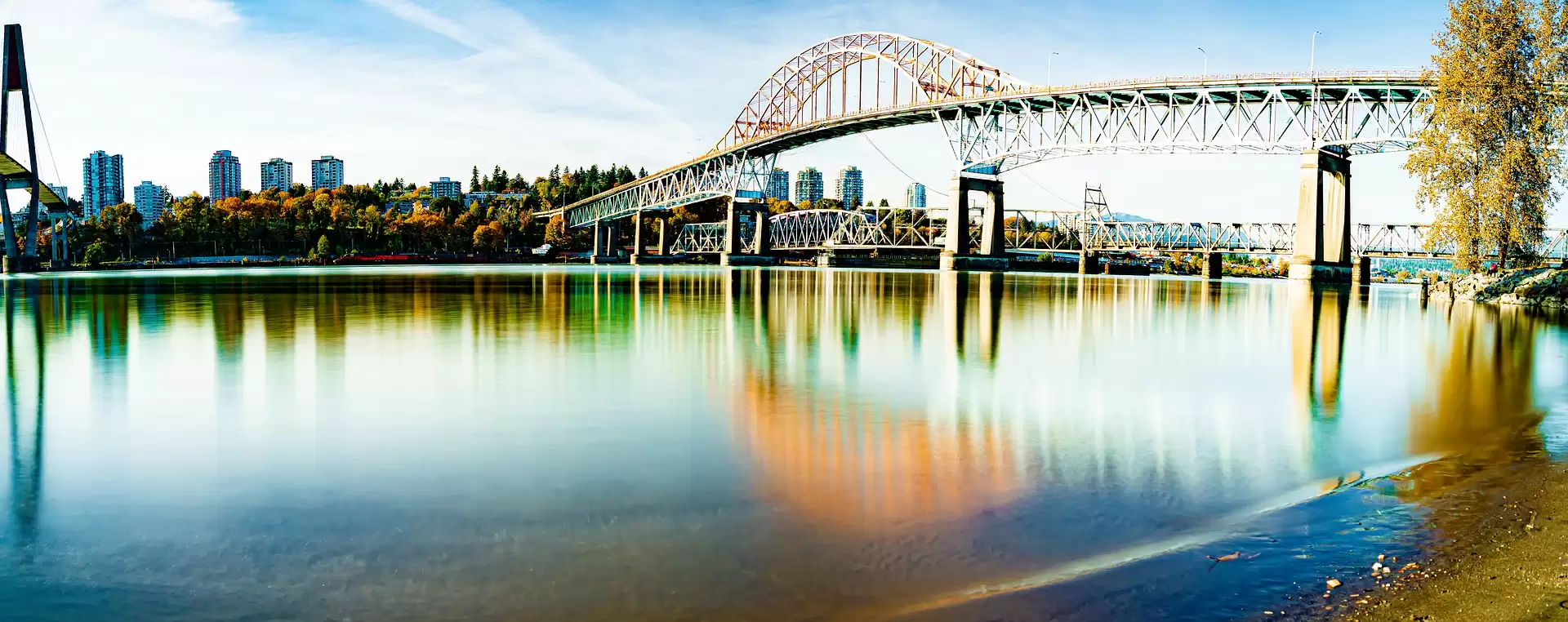

In this post, we will explore 5 Heritage Wonders of The World, so without wasting your time, let’s go…
Roman Colosseum, Italy:
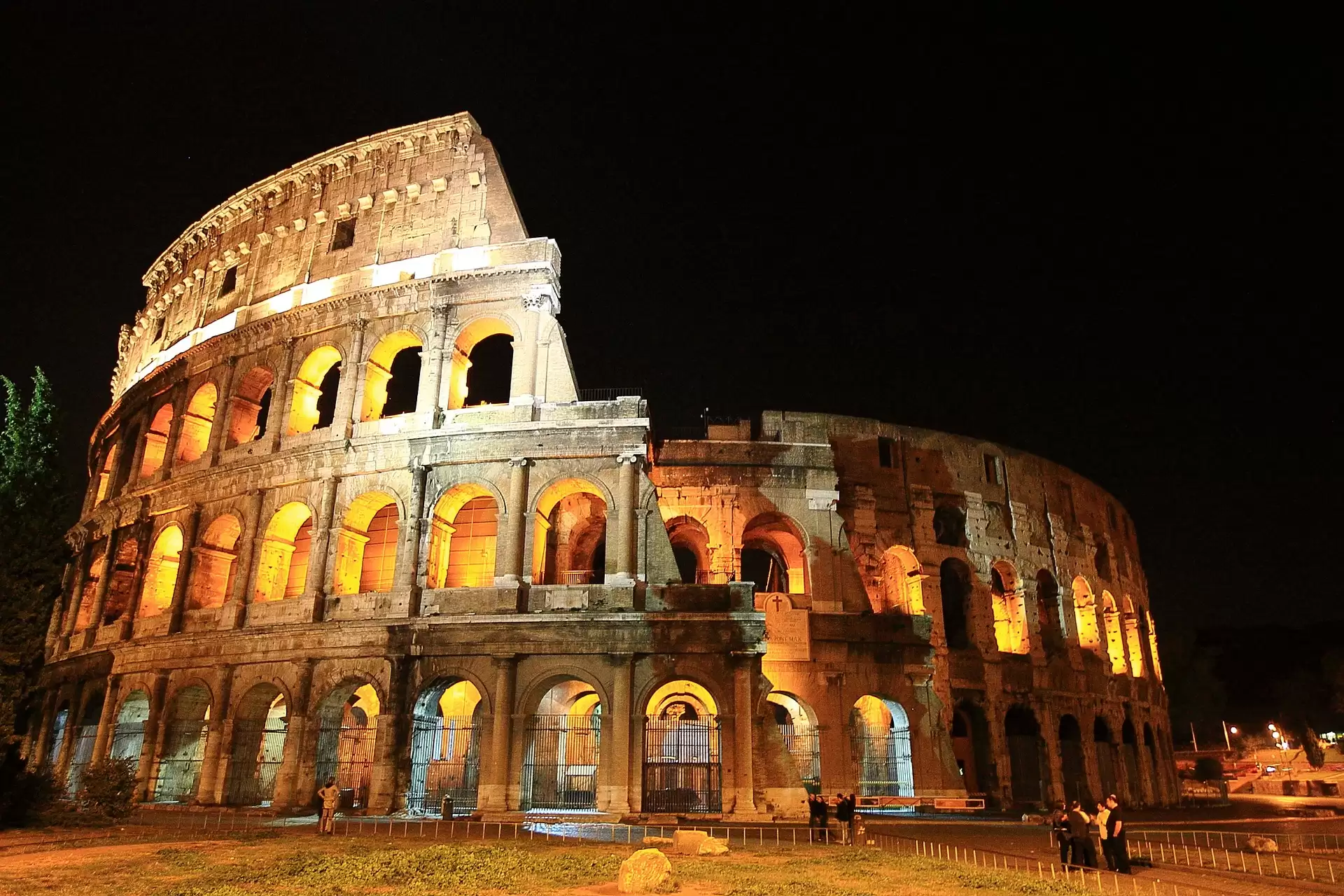
Roman Colosseum is the beautiful heritage of Italy. It symbolises Imperial Rome’s power and glory; the Colosseum is the oldest and largest amphitheater ever to have been built, constructed around 72 AD. It will remain the most imposing structures worldwide despite the damage caused by earthquakes and plunderers.
The Great Wall Of China:
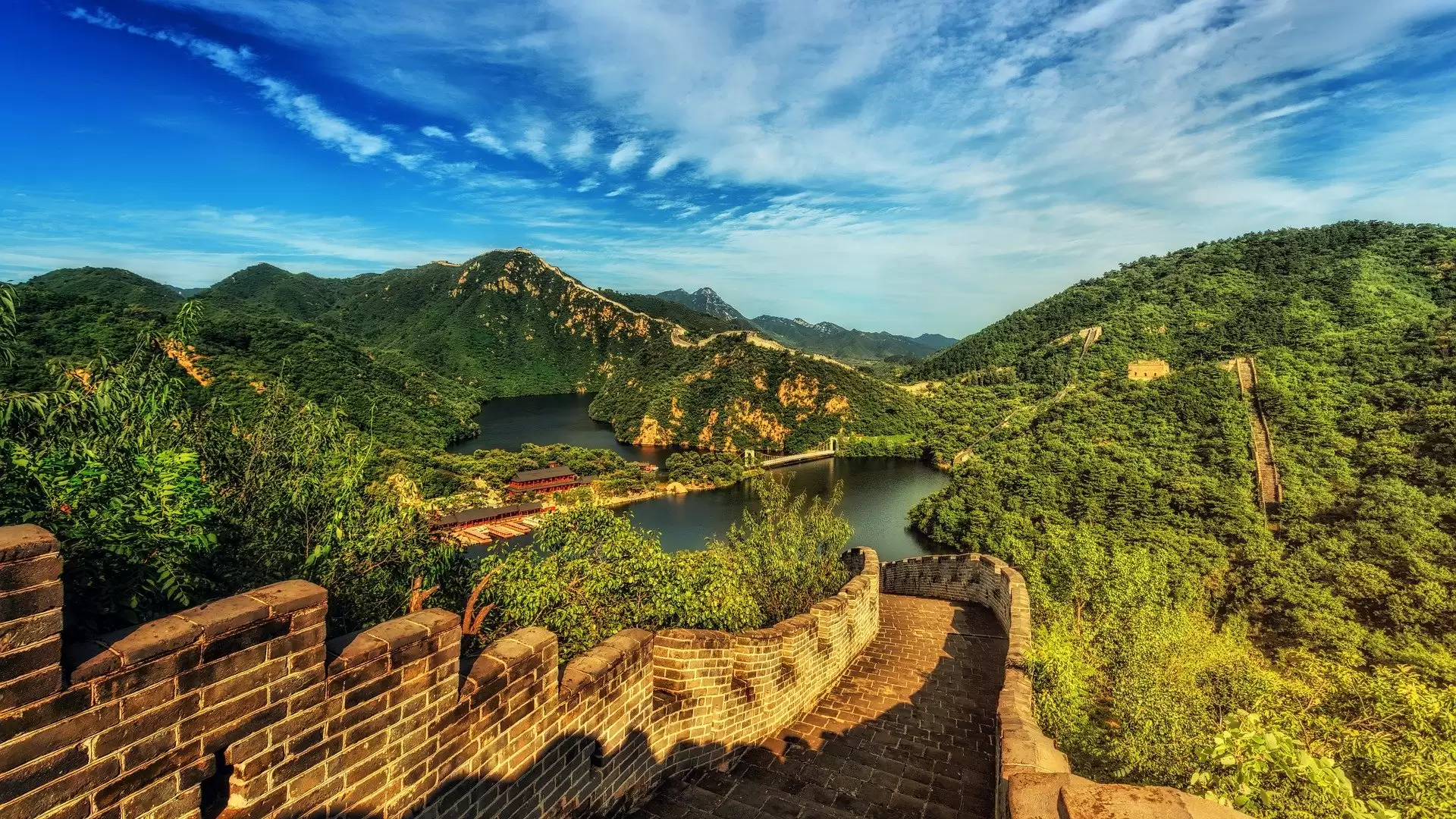
The Great Wall Of China has fascinated people since times immemorial. Built over several centuries— the earliest construction dates back to the 3rd century BC. the Great Wall of China starts in the east at Shanhaiguan in Hebei province and ends at Jiayuguan in Gansu province to the west.
Great Pyramid Of Giza:

The Great Pyramid of Giza comes under the Seven Wonders of the World to have survived the vagaries of time. It is also the oldest and largest of the three pyramids in Egypt’s Giza pyramid complex. The pyramid has been built as a tomb for over 10 to 20 years, around 2550 BC. The Great Pyramid of Giza was the tallest human-made structure at 146.5 meters (481 feet).
Acropolis, Greece:
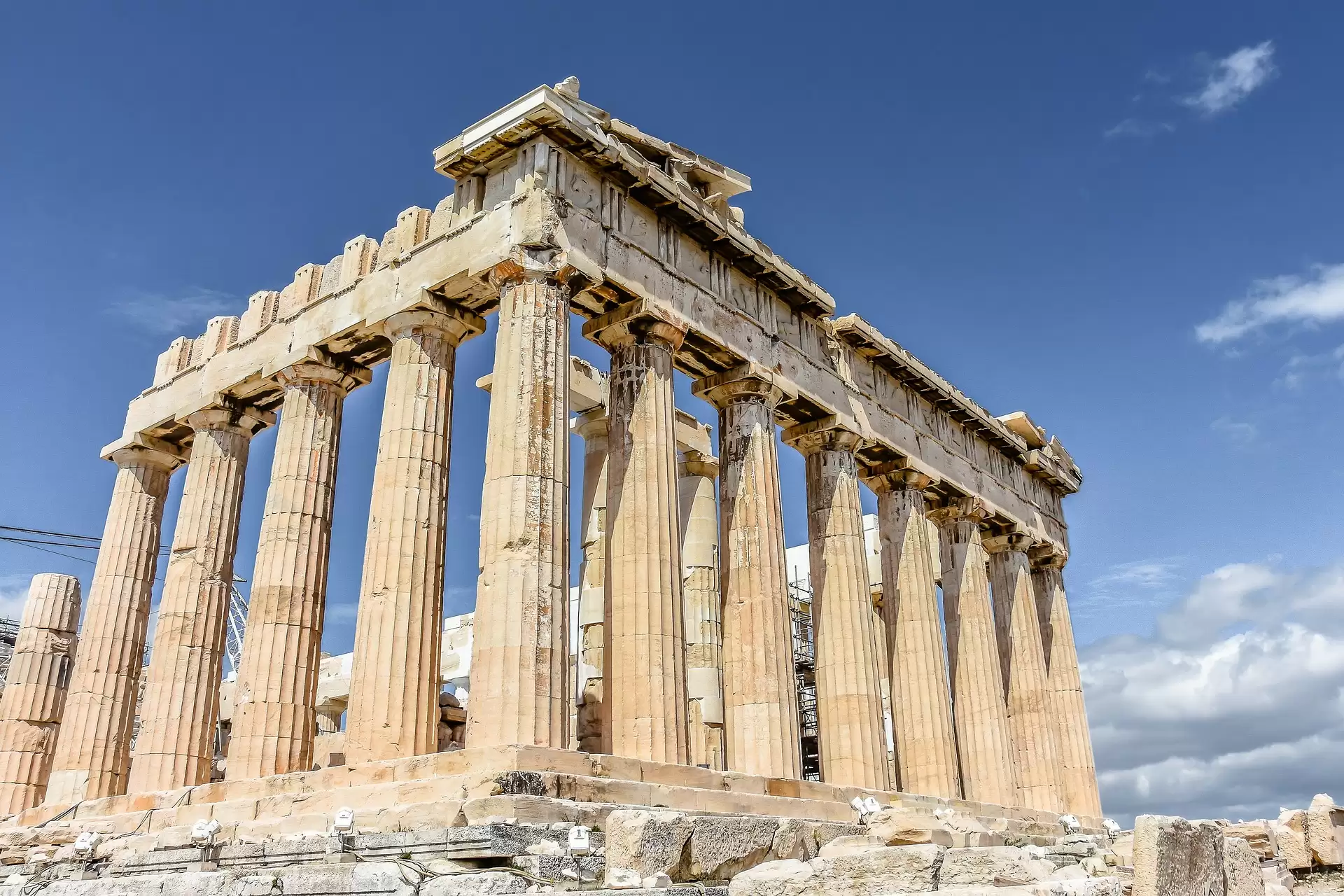
Perched atop a rocky outcrop and overlooking Athens’s ancient city, the Acropolis houses remains of several ancient and historically-significant buildings, including the famous Parthenon dating from between the 5th and 4th century BC. UNESCO describes The Acropolis of Athens and its monuments as “universal symbols of the classical spirit and civilization and forms the greatest architectural and artistic complex bequeathed by Greek Antiquity to the world.”
Banks Of The Seine:

UNESCO added the banks of the Seine river in Paris to its list of World Heritage Sites in 1991, reasoning that from the Louvre to the Eiffel Tower, from the Place de la Concorde to the Grand and Petit Palais, the “evolution of Paris and its history can be seen from the River Seine. The Cathedral of Notre-Dame and the Sainte Chapelle are architectural masterpieces while Haussmann’s wide squares and boulevards influenced late 19th- and 20th-century towns planning the world over.”
